
UK Classic Truck Insurance Quotes
Classic Truck Insurance
Agreed value cover for classic, vintage and historic lorries. Limited mileage and laid-up options from specialist heritage brokers, arranged to suit preserved and restored trucks.
Why Compare Classic Truck Cover?
- Set an agreed value for your restored classic or vintage lorry
- Limited mileage and laid-up options for preserved show trucks
What is classic truck insurance?
Classic truck insurance is specialist cover for classic, vintage, veteran and historic lorries kept by enthusiasts, collectors and preservation groups rather than worked as everyday haulage. Its defining feature is an agreed value: the owner and insurer fix the vehicle's worth up front, backed by photos and a valuation, so a total loss pays that figure instead of a disputed market value. Cover is rated on low, limited annual mileage and preservation use, which sets it apart from a standard commercial truck policy.
A preserved or restored lorry is a different proposition to a working truck. It might cover a few hundred miles a year, spend the winter under a dust sheet, and turn out only for shows, road runs and club events. Rating it as a hard-worked haulage vehicle would ignore how carefully it is kept and how little it is driven, which is why enthusiast cover is underwritten on the preservation basis instead.
Two features do most of the work on an enthusiast policy. Agreed value settles what a restored vehicle is worth before anything goes wrong, so years of work and hard-to-source parts are recognised rather than argued over after a loss. Limited-mileage terms, together with laid-up or off-road cover for winter storage and restoration, reflect the low use and keep the premium sensible.
The brokers on our panel arrange cover for classic and vintage trucks alongside the owners who keep them. They understand agreed valuations, salvage retention, spares and restoration cover, and static or show cover for a vehicle displayed but not driven. A recently finished restoration and a long-owned preserved lorry are each quoted on their own merits, not pushed through a template built for commercial fleets.
Related truck cover
How classic truck insurance works
Tell us about your classic truck
The make, era, agreed value you want, where the vehicle is stored, your annual mileage and how you use it. Accurate details bring cleaner quotes from the enthusiast panel.
Compare specialist classic truck quotes
Your details reach brokers who arrange heritage and preservation cover. They rate agreed value, limited mileage and laid-up cover against how the vehicle is actually kept and used.
Choose your cover and enjoy the vehicle
Pick the level that fits: comprehensive, third party fire and theft, or third party only, with agreed value, limited mileage and any add-ons your restoration needs.
What does classic truck insurance cover?
A classic truck policy protects a preserved, vintage or restored lorry as an enthusiast vehicle. The heart of it is an agreed value, so a total loss pays the figure you and the insurer settle up front rather than a disputed used price.
Around that sit low limited-mileage terms, laid-up cover for months off the road, and a chosen motor cover level for the vehicle itself. Preservation extras such as salvage retention, restoration and spares and show cover are then added to suit how the truck is kept and shown. The headline features come as standard on most schemes; the extensions are chosen line by line.
Compare classic truck insurance quotesThe feature that matters most
Agreed value, fixed up front
You and the insurer agree a set value for the truck at the start, backed by photographs and a valuation. If it is written off, the settlement is that agreed figure rather than a haggled market price. For a restored classic where the rebuild is worth far more than any book value, this is the single most important line on the schedule.
Agreed value locked inIncluded in a classic truck policy
Limited mileage
Enthusiast trucks cover low annual miles, so a limited-mileage basis keeps the rating in step with occasional use for shows, rallies and road runs rather than daily work.
Laid-up and off-road cover
Cover for months when the truck is stored off the road over winter or during restoration, protecting it against fire and theft in the garage or unit while it is not being driven.
Motor cover level
The vehicle itself is insured at a chosen level, from the legal minimum up to full accidental damage whoever is at fault. Most owners of a restored classic pick comprehensive to match the agreed value.
Optional extensions
Salvage retention
Lets you keep the wreck after a total-loss settlement, so rare panels, castings and the plate can be reused in a future rebuild.
Restoration and spares
Cover for a part-finished project and for stored spares, so tools, parts and a truck mid-restoration are protected while work is under way.
Static and show cover
Protection while the truck is displayed at rallies, club events and shows, including time parked up on a stand away from home.
Breakdown recovery
Roadside help and recovery sized for a heavy classic, useful when an older lorry is a long way from home on a road run.
Public liability at events
Cover if the truck injures a visitor or damages property while on display or being demonstrated at a show, rally or club gathering.
Cover lines and limits differ between insurers, and a large classic truck still needs the correct licence category to drive on the road. Policies are arranged by FCA regulated UK brokers on the MyMoneyComparison.com panel. See the full HGV insurance overview or start a comparison to confirm what applies to your vehicle.
What classic truck insurance does not cover
An enthusiast policy responds only within the terms you agreed: the mileage limit, how the vehicle is stored, the modifications declared, the correct driving licence category, and preservation rather than commercial use. Step outside any of those and the cover for that loss can fall away. Knowing where a classic policy stops matters as much as knowing what it pays.
Exceeding the agreed mileage limit
Limited-mileage cover is priced on the low annual miles you declared. Drive past that cap without telling the broker and a claim can be reduced or declined, because the vehicle was used more heavily than the policy was rated for. Update the limit before a big touring season.
Undeclared modifications
Engine swaps, uprated brakes, non-original bodywork and other changes alter both the risk and the agreed value. Modifications the insurer was never told about can leave a claim unpaid, so declare any work done and any planned during the year of cover.
Driving without the correct licence category
A large classic truck still needs the right category on the driver's licence for its weight, often category C for a rigid over 7.5 tonnes, or C+E with a trailer. Drive it on a licence that does not cover the weight and a claim for that journey can be refused.
Commercial hire and reward use
An enthusiast policy assumes preservation and occasional use, not paid work. Carrying goods for hire and reward, or any regular commercial haulage, sits outside the cover and brings the operator licensing rules back into play. Genuine paid promotional or wedding work has to be declared and agreed.
Wear, corrosion and restoration in progress
A motor policy covers sudden damage, not gradual deterioration. Wear and tear, rust, mechanical breakdown and faults building up during a long restoration are not accidental losses. Driving a vehicle that should be laid up mid-rebuild can also put a claim at risk.
Storage and security conditions not met
Enthusiast cover often assumes the truck is kept at the address you declared, in a garage or secure compound, with any required immobiliser or alarm in use. A theft or storm loss where those conditions were not met, or the vehicle was kept elsewhere, can be declined.
Exclusions differ from one insurer to the next, so read the wording closely on the mileage limit, storage, declared modifications, licence category and use before you buy. For the wider commercial background, see our HGV insurance guide.
The classic trucks we insure
Which lorries count as classics? Classic truck insurance is built for older and restored trucks kept by enthusiasts, collectors and preservation groups, rather than vehicles worked hard on daily haulage. If your truck is a veteran, vintage, post-war classic or a later heritage HGV, and it earns its keep at shows, rallies and road runs, it belongs on an enthusiast and preservation basis with agreed value and limited mileage. Follow the timeline to see the eras we cover, then the different ways a classic can be kept.
Preservation societies and owners' clubs looking after several vehicles can hold them together on one schedule; see classic and fleet cover for groups.
Veteran lorries and steam wagons
The earliest motor lorries and steam wagons on solid tyres. Rare survivors kept in museum or rally condition, usually with agreed value and static or show only use, so the fixed insured figure reflects years of restoration rather than any market price.
Vintage between-the-wars lorries
Lorries built as the trade moved from steam and chain drive to petrol and early diesel. Prized restorations shown at vintage rallies and heritage road runs, covering low annual miles, so limited mileage and laid-up cover keep the premium sensible.
Mid-century classic workhorses
The lorries many enthusiasts grew up with, from cab-over wagons to bonneted trucks. This era brings in ex-military surplus and old brewery drays saved for preservation, kept for shows, club events, weddings and occasional light use.
Later heritage HGVs
Trucks now reaching classic age, including those passing the 40 year mark and moving towards historic vehicle status. This is home to restored show trucks and preserved rigids and artics kept in running order for club runs rather than daily haulage.
Historic vehicle status: trucks first registered 40 or more years ago and not substantially modified can move into the historic tax class, with a rolling 40 year exemption from VED and, for many, the annual MOT, when they are not used commercially. Confirm current DVLA and DVSA rules before you rely on this.
However you keep it
Concours and rally vehicles finished to show standard, usually insured on an agreed value backed by photos and a valuation.
Old lorries kept in running order and used occasionally for light or preservation work, not daily commercial haulage.
Working body types, from tipper and tanker to flatbed and dropside, retained as heritage vehicles rather than commercial plant.
Former service lorries and old brewery delivery drays saved, restored and shown at heritage events and club gatherings.
Part-finished and laid-up projects covered off the road while you rebuild, with laid-up and storage cover for the truck and spares.
Not sure your lorry counts as a classic? If it is a preserved or restored truck used for shows and occasional runs, UK brokers can rate it on an enthusiast basis with agreed value and limited mileage.
Compare classic truck insurance quotesOwning and running a classic truck legally
A preserved lorry that is kept for enthusiast use, not worked commercially, sits under a much lighter set of rules than a modern haulage truck. Once it is old enough it can move into the historic tax class, with a rolling exemption from road tax and, for many, the annual test. You still need the correct driving licence category for its weight, and the commercial rules return the moment it is used for payment. Always confirm the current DVLA and DVSA position, as the detail can change.
Historic tax class and the test exemption
The historic vehicle tax class and the roadworthiness-test exemption both turn on the same 40-year threshold and the vehicle being kept close to its original specification. The points below set out how each works. Treat them as a guide and check the live position with the DVLA and DVSA, because the rules around larger and commercially used vehicles carry their own conditions.
| Historic tax class | A vehicle first registered 40 or more years ago can be moved into the historic tax class, with no VED to pay. You still have to tax it each year (at a nil rate) or declare it off the road with a SORN. |
| Rolling 40-year cut-off | The threshold moves forward every year, so a truck qualifies once it passes 40 years from first registration. Eligibility usually takes effect from the following April. |
| Test exemption | Many vehicles over 40 years old and not substantially changed are exempt from the annual roadworthiness test when not used commercially. The owner stays responsible for keeping the vehicle roadworthy at all times. |
| Substantial change | Major changes to the chassis, body or engine away from the original type can remove eligibility for both the tax class and the test exemption, so keep records of what is original. |
| Confirm the rules | Exemptions have extra conditions for heavier and commercially used vehicles. Confirm the current DVLA and DVSA rules for your particular truck before you rely on either exemption. |
The driving licence category you need
The age of a truck does not change the licence needed to drive it. A large classic still has to be driven on the correct category for its weight. A rigid over 7.5 tonnes generally needs category C, and a vehicle with a heavier trailer needs category C+E. Smaller lorries up to 7.5 tonnes fall under category C1.
Some older drivers hold what are often called grandfather rights: a category C1 entitlement, up to 7.5 tonnes, gained on a car licence issued before January 1997. That does not extend to the larger vehicles that need category C, so check what your licence actually covers before driving a heavy classic. Category C and C+E entitlements also carry medical and renewal requirements, particularly from age 70.
For purely enthusiast use, keeping to preservation runs, shows and rallies, the driving licence category is the main day-to-day requirement. There is no need for a Driver CPC or a tachograph while the vehicle is not being used for commercial purposes. Confirm the current DVLA rules if you are unsure which category your particular truck falls into.
The commercial-use caveat: when the operator rules return
The lighter historic-vehicle regime applies only while the truck is kept for preservation and not used commercially. The moment a classic over 3.5 tonnes is used for hire and reward, moving goods for payment, the full commercial framework comes back. That means an operator's (O) licence from the Traffic Commissioner and the same duties any working haulier carries.
A standard O-licence requires evidence of financial standing, broadly £8,000 for the first vehicle and £4,500 for each additional vehicle, and drivers doing commercial work generally need a Driver CPC kept up through 35 hours of periodic training every five years. Genuine preservation driving, not for payment, usually sits outside CPC. The test and tax exemptions can also fall away once a historic vehicle is used commercially. Confirm the current DVSA rules before any paid work.
The practical point is to match the insurance to the use. Enthusiast cover is written for preservation and occasional use, so any commercial or paid work has to be declared and rated separately. See our HGV insurance guide for how commercial truck cover is arranged.
Historic status keeps a preserved truck cheap and simple to run, as long as the use stays on the enthusiast side of the line. Compare classic truck insurance quotes through a specialist panel that understands preservation and agreed-value cover.
Why classic truck insurance pricing varies
No two classic trucks are rated the same way. A carefully restored show lorry that covers a few hundred garaged miles a year is a very different risk to a preserved truck kept outdoors and driven more freely. The agreed value, the mileage, where it is stored and how it is used all move the premium, so knowing the levers helps you ask the right questions before you buy.
Get your agreed-value evidence together before you quote, not after. The single biggest lever on a classic policy is the agreed value, and it is only as good as the evidence behind it. Clear photos, a valuation or owners' club valuation, and restoration receipts let the panel set the figure with confidence. Owners who come to quote with a documented value, a realistic mileage estimate and secure storage tend to reach better terms than those who leave it vague.
MMC Classic Truck Insurance Specialists, FCA-authorised (reg. 916241)
Agreed value and the vehicle
The agreed value you set, backed by a valuation and photos, is the central input. The make, era, rarity and condition of the truck all feed into what figure the panel will accept and how the premium is worked out.
Annual mileage and limited use
Enthusiast trucks cover low annual miles, and a lower limited-mileage figure usually means a lower premium. A realistic mileage estimate that matches how you actually use the vehicle keeps the cover priced fairly.
Storage, security and laid-up cover
A truck kept in a locked garage or secure compound rates more keenly than one left on the road. Alarms, immobilisers and laid-up cover for the months it is off the road all shape the figure the panel returns.
Owner age, experience and claims
A mature, experienced owner with a settled licence and a clean claims record is a lower risk than a newer driver. Years of driving heavier vehicles, motor convictions and past claims all feed into the price.
How you use the vehicle
Shows, rallies, road runs and occasional preservation use rate differently to any commercial or paid work. The more the use stays on the enthusiast side, the more keenly the panel tends to price the cover.
Club membership and preservation links
Membership of a recognised owners' or preservation club can count in your favour, as it points to a well-kept vehicle and careful use. Some insurers also recognise a club valuation when setting the agreed value.
Every classic truck is rated on its own value, mileage, storage and use. Compare classic truck insurance quotes to see how the agreed value, limited mileage and how you keep the vehicle shape the premium across our specialist broker panel.
Classic truck policy options and cover levels
A classic truck policy is put together from a handful of choices rather than picked off a shelf. You agree a fixed value for the vehicle, choose a limited-mileage band that matches light use, decide whether it stays road ready or spends time laid up, and set a motor cover level. For a restored and valued classic, comprehensive cover on an agreed value is the usual starting build.
Build your classic policy
Value basis
How a total loss is settled. An agreed value is fixed up front from your photos and a valuation, so a write off pays the figure you both signed off, not a disputed market price years after the work went in.
Mileage band
Preserved trucks cover very little ground, so a limited-mileage band keeps the cover matched to real use. You pick a band and let the insurer know if plans change, rather than paying as though the vehicle worked full time.
Road status
Whether the truck is used on the road or resting. Laid-up cover keeps fire and theft protection running while a vehicle sits off the road over winter or mid restoration, without paying for road cover it is not using.
Motor cover level
The base level of motor cover the policy is written at, from third party only up to comprehensive. This decides what happens to your own truck after an incident, and it sits underneath the value basis and add-ons above.
Compare the motor cover levels
| What the level covers | TPOThird party only | TPFTFire and theft | ComprehensiveFull cover |
|---|---|---|---|
| Injury and damage to other people | |||
| Fire damage to your classic | |||
| Theft of your classic | |||
| Accidental damage to your classic | |||
| Settled at the agreed value | |||
| Laid-up and storage cover |
Which build fits your use
A truck that lives at rallies and static displays and rarely turns a wheel on the road. Fire, theft and a fair settlement matter more than road cover, and a laid-up add-on holds protection over the quiet months.
Driven to shows, road runs and club events across the season and kept ready between them. Comprehensive on an agreed value with a limited-mileage band is the usual build, covering the truck itself while it is out.
A project stripped down and off the road for months. Laid-up cover holds fire and theft while work goes on, and an agreed value that rises as the build progresses keeps the settlement in step with what has gone in.
The exact options, mileage bands and add-ons on offer vary between specialist classic insurers. Comparing quotes shows how each build lines up for your vehicle, its value and the way you use it.
How much does classic truck insurance cost?
There is no single figure for insuring a classic, vintage or historic truck, because heritage cover is priced on how the vehicle is looked after and used rather than on hard commercial mileage. What follows is a plain-English guide to the things underwriters actually weigh up, so you can see where a preserved lorry is likely to sit before you ask for a quote.
A preserved classic truck kept on an agreed value, driven on a limited-mileage basis and stored securely usually attracts one of the more sensible premiums on the road, because the vehicle is cherished and rarely used. Cost rises where the agreed value is high, where mileage is generous, where storage is open or roadside, and most of all where the truck is put to any commercial or hire-and-reward work rather than pure show and preservation use. Every classic is looked at on its own history, so the only accurate figure is a quote against your own vehicle and use.
Cherished classic, limited miles, locked away
most sensible end of the scale
A restored or preserved truck taken to shows and rallies, on an agreed value, a low annual mileage and locked in a garage or secure yard. Ownership by a mature enthusiast with a settled claims record sits this vehicle at the gentler end of heritage pricing.
What eases the premium- Genuinely low agreed mileage
- Garaged or gated overnight storage
- Owners' club membership
Road runs, club events and the odd wedding
middle of the heritage scale
A preserved lorry taken out more freely for road runs, club gatherings, weddings or the occasional promotional booking, on a higher agreed value and a slightly more generous mileage allowance. Still an enthusiast basis, but the wider use nudges the premium up from the show-only tier.
What lifts the premium- Higher agreed value on the truck
- More miles and wider use
- Paid wedding or promotional bookings
Project trucks and light commercial jobs
upper end of the heritage scale
A truck part-way through restoration, a rare high-value example, or a classic that still does any light haulage or hire-and-reward work. Once a heritage vehicle earns its keep it moves closer to commercial rating, and a project on the road during rebuild carries its own exposures.
What drives it up- Any hire and reward or trade use
- Rare or high-value restored example
- Work in progress driven during rebuild
Classic truck cover is rated on the enthusiast and preservation basis, not on hard haulage. The agreed value you set with the insurer, the annual mileage you expect, where the truck is kept overnight, your age and years of ownership, whether you belong to an owners' club, and your claims history all feed into the price. Laid-up or off-road cover over winter or during restoration keeps the outlay down when the truck is off the road. A vehicle first registered 40 or more years ago and not substantially modified may sit in the historic tax class, with the rolling exemption from VED and, for many, the annual MOT when it is not used commercially, so always confirm the current DVLA and DVSA rules for your truck.
Important: This page describes what shapes the cost of classic truck insurance and does not quote a price. The bands above are a qualitative guide only, not a quotation or an offer of insurance. Real premiums differ widely with the agreed value, mileage, storage, owner and use of each vehicle, and MyMoneyComparison.com does not advise on or sell cover. FCA-regulated UK brokers arrange the policy. MyMoneyComparison.com Ltd is authorised and regulated by the Financial Conduct Authority, FCA registration number 916241.
Every classic is priced on its own history and use. Compare classic truck insurance quotes to see how your own agreed value, mileage, storage and use are rated across the MyMoneyComparison.com broker panel.
When classic truck claims get paid, and when they get declined
On a well-set-up enthusiast policy a total loss pays the agreed value, the figure you and the insurer fixed up front, rather than a disputed market value. The claims that get declined or cut back nearly always trace to the same short list: exceeding the limited-mileage limit, use outside the agreed enthusiast basis, undeclared modifications, or storage conditions not met. Whether a classic truck claim is paid in full is usually settled long before any incident happens.
| Scenario | When the claim is paid | When the claim is declined |
|---|---|---|
| Total loss of a restored classic truck | Paid Comprehensive cover with an agreed value in place, the valuation and photos up to date, and the truck used within the mileage limit and agreed terms. The claim settles at the agreed figure. | Declined The mileage limit was exceeded, the vehicle was used outside the agreed enthusiast basis, or there was no agreed value so a lower market value applies and the restoration goes unrecognised. |
| Accident on the way to a show or rally | Paid Show and road-run use is exactly the declared use, the driver holds the correct licence category for the weight, and the journey stays within the limited-mileage allowance. | Declined The trip pushed the annual miles past the limited-mileage cap, or the truck was being used for undeclared everyday or business use rather than the enthusiast basis declared. |
| Damage while laid up in winter storage | Paid Laid-up or off-road cover in force, the truck stored at the declared address in the garage or compound described, and any required security in use when the fire or storm damage happened. | Declined The vehicle was kept at an undeclared location, the storage or security conditions in the schedule were not met, or it was on the road when the cover was laid-up only. |
| Theft of the vehicle or hard-to-source parts | Paid The truck was stored as declared with the required immobiliser or alarm in use, and an agreed value plus spares cover was in place, so both the vehicle and the parts are recognised. | Declined The required security was not fitted or not in use, the vehicle was kept somewhere other than the declared address, or valuable spares were never declared for cover. |
| Claim after modification or restoration work | Paid All modifications and restoration work were declared and agreed, and the agreed value reflects the finished vehicle, so the claim settles on the specification the insurer knew about. | Declined Undeclared modifications changed the risk or the value, or the truck was being driven mid-restoration when it should have been laid up under off-road cover. |
| Incident while the truck was used for paid work | Paid Occasional promotional, wedding or film work was declared and agreed on the policy up front, so the specific paid use sits within the cover the insurer accepted. | Declined The truck was used for hire and reward haulage on an enthusiast policy, without the operator licensing and correct licence category that commercial use over 3.5 tonnes requires. |
A declined classic truck claim nearly always comes down to one of a few things: exceeding the limited-mileage limit, use outside the agreed enthusiast basis, undeclared modifications, storage or security conditions not being met, or paid commercial use on a preservation policy. At claim stage insurers look at the agreed value evidence, the mileage, where the vehicle was kept and how it was being used to confirm the terms were held to.
Specialist classic truck brokers set the agreed value and the right terms into your cover from the outset. Compare classic truck insurance quotes to see what comes as standard and what needs adding for your particular vehicle and use.
How to prepare for a classic truck insurance quote
A specialist broker can price a classic truck properly once the value and use are clear from the start. Ten minutes spent gathering photos, valuation evidence and your storage and mileage details before you fill in the form brings cleaner quotes, fewer follow-up calls, and a firmer agreed value.
Gather photos and agreed value evidence
The agreed value is only as strong as the evidence behind it, so put the proof of worth together first.
- Clear photos, inside, outside and engine
- A valuation or owners' club valuation
- Restoration records and receipts
- Make, model, era and registration
Set out your use, mileage and storage
Underwriters price against how the truck is actually kept and used, not a generic template.
- Estimated annual mileage
- How you use it: shows, rallies, occasional
- Storage location, security and laid-up periods
- Owner experience and claims history
Compare and speak to a specialist
Submit once and get matched with brokers who arrange classic and heritage cover.
- Quotes from FCA-regulated specialist brokers
- Agreed value, limited mileage and laid-up
- Comprehensive, third party fire and theft or TPO
- One form, several matched classic truck quotes
Classic trucks we insure across every kind of use
A preserved lorry rarely works for a living, but it does earn its outings. What it is used for, from a summer of rallies to a wedding booking or a winter in the workshop, shapes how the cover is written far more than its size or weight. Open any panel below to see how a classic truck policy is built around the way you actually enjoy the vehicle.
Shows, rallies and steam gatherings
The heart of classic truck ownership is the show season: county rallies, transport festivals, road-run convoys and static display lines where restored cabs are polished and admired. The vehicle spends far more time parked on grass than moving, so cover needs an agreed value that survives a knock at a busy event, plus public liability for the crowds walking past your stand.
A limited-mileage policy suits this pattern well, since a season of shows adds up to modest annual travel. If you also keep a modern working lorry for day-to-day jobs, that is rated separately, for example our tipper truck insurance for the vehicle that actually pays its way.
Road runs and club convoys
Organised road runs and club convoys take a group of restored lorries out along a set route, often ending at a pub, a museum or a country show. These are proper road miles rather than static display, so the motor side of the policy matters: comprehensive, third party fire and theft or third party only, chosen to suit the value and the day.
Because the mileage is planned and occasional, a limited-mileage agreed value policy still fits, and owners' club membership often helps the terms. If a preserved refrigerated body is part of the appeal, our refrigerated vehicle insurance page covers the modern working equivalent.
Weddings and formal hire
A gleaming vintage lorry makes an unusual and memorable wedding entrance, and some owners take a handful of bookings a year. The moment money changes hands the use moves beyond pure preservation, so the policy has to know about it: paid hire needs to be declared, with the right public liability limit for carrying guests and standing on private venue grounds.
Tell the broker how many bookings you expect and whether passengers are carried. Declared correctly, occasional formal hire can usually be added to an enthusiast policy without tipping the whole vehicle onto a full commercial rating.
Film, television and promotional work
Period lorries are in steady demand for film and television, brand launches and heritage advertising, where an authentic cab dressed in old livery sells the scene. This use brings time on location, low-loader transport to set, and the truck sitting among crews and equipment for hours, so the agreed value and public liability both need to reflect a working film day.
Promotional bookings count as commercial hire, so they should be declared and, where a production requires it, backed by a certificate showing the relevant liability limit. Owners who do this regularly are best rated by a broker who understands heritage vehicle hire rather than everyday haulage.
Preservation societies and owners' clubs
Preservation groups and owners' clubs often hold vehicles in shared ownership, run collections between members, and keep trucks together in a communal shed or heritage depot. Cover here can take in more than one named driver, static display of the vehicles, and public liability for the group's own open days and stands.
Membership of a recognised club is worth flagging on any quote, as insurers know it points to careful storage, mutual help with maintenance and a settled attitude to the vehicles. Clubs with several trucks may prefer a single arrangement covering the whole collection on an agreed value basis.
Occasional light and preservation use
Some classics still do a little gentle work: carting the club's marquee, moving preservation spares between sheds, or the odd light load for a charity event. This is a world away from full-time haulage, and as long as it stays occasional it can usually be written into an enthusiast policy rather than a commercial one.
Where a large classic is ever used for genuine hire and reward over 3.5 tonnes, operator-licensing and Driver CPC rules still apply and the correct licence category is needed to drive it. Keep any working use honest on the schedule, and confirm the current position with the Traffic Commissioner before taking on paid loads.
Restoration projects and rebuilds
A truck part-way through restoration needs cover of a different shape. While it sits in the workshop stripped down, laid-up or off-road cover protects it against fire and theft without paying for road risk it is not running. As the rebuild nears the road, spares and parts held for the project can often be insured alongside the vehicle itself.
Agreed value on a restoration is best reviewed as the work progresses, since a finished rebuild is worth far more than a shell. Keep photographs and receipts through the project, so the value you eventually agree reflects the work and money that went in.
Static display and off-season storage
Many classics stand in a museum, a heritage centre or the back of a barn for much of the year, brought out only for the best of the summer. Static or show cover keeps the vehicle protected while it is on display and not being driven, and laid-up cover suits the winter months when it is tucked away and the road tax and MOT may not even be current.
Storing the truck securely, whether garaged, in a locked shed or behind gates, both protects it and helps the premium. Tell the broker how it is kept and for how long it stands idle, so the cover matches the long spells when the vehicle simply rests.
However you enjoy your classic, the cover is built around that use. Compare classic truck insurance quotes to see how your own vehicle, agreed value and way of using it are rated across the MyMoneyComparison.com broker panel.
Who it is for
Who needs classic truck insurance?
Classic truck insurance is for people who keep an older, restored or historic lorry for the love of it rather than to earn a living from haulage. If your truck spends most of the year preserved, shown or gently used, and you want it covered on an agreed value with limited mileage, this is the cover written for you. Below are the owners it most often suits.
Compare classic truck insurance quotes-
Owner
Classic and vintage truck owners
Enthusiasts who own a classic, vintage or veteran lorry and drive it for pleasure. The truck is kept for its history and character, taxed on the historic class where it qualifies, and covered on an agreed value that reflects the work put into it rather than a trade guide figure.
Cover note Agreed value with limited mileage for low annual use.
-
Workshop
Restorers and collectors
Owners part way through a restoration, or collectors running more than one heritage vehicle. Cover can follow a project from a laid up shell in the workshop through to a finished, road going truck, with parts and spares protected while the work goes on.
Cover note Laid up and off road cover, plus restoration and spares.
-
Club
Preservation societies and owners' clubs
Groups and clubs that keep historic commercial vehicles running for future generations, often sharing a collection or a preserved fleet. Club membership and a shared care for the vehicles usually count in the owner's favour when cover is arranged.
Cover note Club links, salvage retention and preserved fleet cover.
-
Event
Show and rally participants
Owners who take their truck to shows, road runs and rallies through the season. Cover can include the drive to and from events, static display on the showground, and public liability while the vehicle is parked up among the crowd.
Cover note Static and show cover with public liability at events.
-
Occasion
Heritage trucks for weddings, film and promotion
People who put a restored truck to occasional use for weddings, film and television work, or promotional appearances. Where any hire or reward is involved, the use is declared so the policy matches how the vehicle actually earns its keep.
Cover note Occasional use declared, with commercial use flagged where it applies.
Classic truck cover versus a standard modern truck policy
Short answer: a preserved or restored truck belongs on a classic policy, not a working commercial one. A classic policy is built around an agreed value, low limited mileage and laid-up cover, and rates you as an enthusiast. A standard modern truck policy pays only market value, expects full commercial use and unlimited miles, and is priced for a working fleet. Put a valued classic on the commercial product and you tend to pay more for cover you do not need, then risk being underpaid if it is written off.
The clearest difference shows up on a write-off. An agreed value is fixed with the insurer up front from photos and a valuation, so the payout is known. A commercial policy settles at whatever the truck is judged to be worth on the day, which for a restored classic can fall well short of what you spent.
How is the vehicle valued?
Agreed value set with the insurer from photos and a valuation, so a restoration is recognised and the write-off figure is known in advance.
Market value only, judged on the day, which ignores money spent on a rebuild and can undervalue an older truck.
How much are you expected to drive?
Limited mileage to suit low annual use, plus laid-up and off-road cover for winter storage or a restoration, keeping the premium sensible.
Unlimited commercial mileage is assumed and priced in, so an occasional-use truck pays for exposure it never sees.
What use is the cover written for?
Shows, rallies, road runs, club events and occasional preservation use, with public liability at events and static show cover available.
Daily haulage and full commercial carriage of goods, geared to a working vehicle rather than a preserved one.
How is the premium rated?
On an enthusiast and preservation basis: agreed value, low mileage, secure storage, owner experience and owners' club links all count in your favour.
On a working fleet basis: haulage use, radius, goods carried and hard commercial mileage, which rarely fits a cherished truck.
What extras are built in?
Salvage retention, restoration and spares cover, and recognition of historic vehicle status where the truck qualifies. Confirm current DVLA and DVSA rules.
Commercial features such as goods in transit and haulage liability, useful for a fleet but not what a preserved truck needs.
The short version: a classic policy and a standard commercial one are priced and paid out on opposite bases. A cherished, low mileage, agreed value truck fits the classic product. The commercial product tends to cost more for a working truck and can leave you short on a total loss.
One caveat to keep accurate: a large classic truck still needs the correct licence category to drive on the road, and if it is ever used commercially for hire and reward over 3.5 tonnes it still falls under operator licensing and Driver CPC rules. That stays separate from how the truck is insured as a classic.
Compare classic truck insurance quotesImportant: MyMoneyComparison.com does not advise on or sell insurance. Cover is arranged by FCA regulated UK brokers, and the terms, limits and price of any policy depend on your own circumstances and the insurer.
How to reduce classic truck insurance costs
Heritage cover is already among the gentler premiums on the road, because a preserved lorry is cherished and lightly used. A handful of sensible choices about mileage, storage and how the vehicle is valued can bring it down further without thinning out the protection that matters to an owner.
Agree a genuine limited mileage
A preserved truck covers very few miles a year, and telling the insurer so is one of the strongest levers you have. A realistic limited-mileage figure, honestly set to your show season and road runs, rates the vehicle as the occasional-use classic it really is rather than an everyday lorry.
Store it securely and off the street
Where the truck sleeps matters. A locked garage, a gated yard or a secure heritage shed cuts the risk of theft and vandalism far below open or roadside parking, and insurers feed that straight into the terms. Tell the broker exactly how and where it is kept overnight.
Join an owners' or preservation club
Membership of a recognised classic truck or preservation club signals a careful, settled owner to underwriters, and many will reflect it in the terms. Clubs also bring shared knowledge on maintenance and valuation, which keeps the vehicle in good order and the risk low.
Get the agreed value done properly
Agreeing the right value up front, backed by clear photographs and a proper valuation, avoids both over-insuring and paying for cover you do not need. A value that honestly reflects the truck keeps the premium sensible and means a total loss settles on the figure you both signed off.
Lay it up over the winter
Few classics venture out in the cold months. Laid-up or off-road cover protects the truck against fire and theft while it rests, without paying for road risk it is not running. Switching to full cover only for the show season can take a useful amount off the year's outlay.
Let owner experience count
A mature enthusiast with years of ownership and a settled claims record is exactly the profile heritage underwriters look for. Keeping named drivers experienced and few, and letting a clean history build, steadily improves the terms a specialist classic broker can find.
The best results come from combining several of these, not relying on one. Compare classic truck insurance quotes to see how your own mileage, storage, agreed value and ownership are priced across the specialist panel.
Specialist Classic Truck Insurance
Comparing cover for classic and vintage trucks since 2013
MyMoneyComparison.com has helped UK owners find cover for older and cherished vehicles since 2013, and classic trucks are close to our heart. Whether you have a restored show lorry on an agreed value, a preserved vintage cab kept for rallies, a project part-way through rebuild, or a collection held by a preservation group, our broker panel understands the enthusiast basis these vehicles are written on. Compare cover built around agreed value, limited mileage and laid-up storage, arranged by brokers who know the difference between a preserved classic and a working HGV insurance risk.
Generic comparison sites versus specialist classic truck brokers
Mainstream comparison sites are built for everyday car and van cover, and modern truck panels are built for hard haulage. A preserved lorry belongs to neither. Heritage brokers write it on the enthusiast basis it needs, with agreed value, limited mileage and laid-up storage on the policy from the start rather than a market-value figure argued over after a loss.
Standard motor and modern truck aggregators
Built for mainstream car, van and working-truck cover. A vintage or historic lorry is usually treated as a non-standard risk and either turned away or priced on a market-value basis that ignores the restoration behind it and the way it is really used.
Typical limitations- No agreed value, only disputed market value
- Limited mileage not offered or understood
- Laid-up and off-road cover rarely available
- Historic vehicle status not recognised
- Show, wedding and film use off the panel
Specialist classic and heritage truck brokers
FCA-regulated brokers who write classic, vintage and historic vehicles every day. Agreed value, limited mileage, laid-up storage and show or club use are on the policy from the outset, set to the way you actually keep and enjoy the truck.
Built around preservation- Agreed value backed by photos and valuation
- Limited-mileage and laid-up options
- Restoration projects and spares cover
- Show, rally, wedding and film use
- Owners, restorers, clubs and preservation groups
A quote from a generic comparison site can look keen but settle a classic on market value, so a treasured restoration pays out at a fraction of what it cost to build. Buy the wrong policy and you may have no agreed value, no laid-up cover, or the mileage and use wrongly declared, which is exactly what leaves an owner short after a total loss. Always check the agreed value and how the truck is used before you pay.
Buying your first classic truck: getting the agreed value and the cover right
Insuring a first classic lorry is not like insuring a car or a working truck. The vehicle is valued and rated on an enthusiast basis, so the choices you make at the outset, above all the agreed value, shape both the premium and what you would actually receive after a loss. Get these few things right at the start and the rest of enthusiast ownership follows easily.
Start with the agreed value, not the price
Agreed value is the figure you and the insurer settle on when the policy begins, so that a total loss pays that amount rather than a disputed market value worked out afterwards. For a restored classic it is the whole point of specialist cover, because the money and hours poured into a rebuild rarely show up in any trade guide.
To set it, the insurer usually asks for a set of clear photographs, details of the work carried out, and often an independent valuation or a club-supported figure. Be honest and thorough: an inflated value simply raises the premium, while too low a figure leaves you short if the worst happens. Keep receipts and images from the day you buy, as they support both the value and any future claim.
Because a classic can gain value as it is used and improved, the agreed figure is reviewed at renewal. That keeps it in step with the vehicle, so a truck that appreciates is never quietly under-insured.
Choosing your first enthusiast policy, part by part
Beyond the value itself, a first classic truck policy is assembled from a few enthusiast building blocks. It helps to think through each one before you ask for a quote, so the cover matches how you plan to keep and use the vehicle from day one.
| How the truck is valued at a total loss | Agreed value |
| How far you expect to drive each year | Limited mileage |
| Cover while stored over winter | Laid-up option |
| Level of motor cover on the road | TPO, TPFT or comprehensive |
| What the truck is used for | Show and preservation |
| Who is behind the wheel | Named experienced drivers |
None of these carry a set price, because a heritage premium turns on your own vehicle, mileage, storage and use rather than any published figure. The point is simply to have each piece clear in your mind before you compare quotes, so the policy you buy fits the classic you own.
Getting off to a settled start as an owner
Heritage underwriters look kindly on a careful owner. Somewhere secure to keep the truck, a realistic view of how little it will be driven, and a short list of experienced named drivers all point to a low, well-managed risk and help the first quote considerably.
Joining a classic truck or preservation club is worth doing early. It brings advice on maintenance and valuation, a hand from people who know the marque, and terms that many insurers extend to recognised club members. If the vehicle qualifies as a historic vehicle, having its tax class and paperwork in order also makes for a cleaner start, so confirm the current DVLA and DVSA position for your truck.
Specialist classic truck brokers know which insurers write these vehicles well and how to present a first policy properly. Compare quotes through a panel that handles heritage lorries every day, so your first classic is covered the right way from the outset.
Get the agreed value and the enthusiast basis right, and a first classic is straightforward to insure. Compare classic truck insurance quotes through a specialist panel that covers heritage lorries every day.
Agreed value and how it works
Agreed value is the heart of classic truck cover. Instead of leaving the worth of the vehicle to be argued out after a loss, you and the insurer settle a fixed figure when the policy starts, backed by photographs and a valuation, so a total loss pays the amount you both signed off rather than a disputed market value.
Agreed value means the insurer and owner fix the truck's worth up front, supported by clear photographs and, for most restored vehicles, an independent or club-backed valuation. If the truck is written off, the policy pays that agreed figure rather than a market value guessed at afterwards, which for a cherished restoration can be worth far more than any trade guide would allow. The figure is looked at again at renewal so it keeps pace with the vehicle.
How the value is set
You supply clear photographs of the truck inside and out, details of the restoration and, for most vehicles, an independent or owners' club valuation. The insurer agrees a figure with you on that evidence, so keep receipts and images from the work to support it.
What it pays at a total loss
If the truck is written off, the policy settles on the agreed figure, not a market value argued out after the event. That is what protects the money and hours poured into a restoration, since a preserved lorry rarely shows its true worth in any ordinary valuation guide.
Reviewed at each renewal
A classic can gain value as it is used and improved, so the agreed figure is revisited at renewal to keep it in step. If the truck ever carries goods on occasional light haulage, goods in transit cover can be added, but for most owners agreed value on the vehicle itself is the priority.
Agreed value is what makes sure a restored classic is paid for properly after a loss. Compare classic truck insurance quotes with an agreed value set to reflect your own vehicle and its restoration.
Match your classic truck with heritage insurance brokers, including:






Specialist Commercial Motor & Fleet Insurance Brokers

Fleet Insurance Brokers

Gauntlet fleet insurance

Specialist Commercial Motor & Fleet Insurance Brokers

Specialist Commercial Motor & Fleet Insurance Brokers
Everything You Need to Know
Detailed answers to help you understand more about classic truck insurance.
What is classic truck insurance?
Classic truck insurance is specialist cover for older, vintage and historic lorries kept by enthusiasts, collectors and preservation groups rather than worked as modern haulage vehicles. It is rated on a preservation basis that reflects occasional show and rally use, low annual mileage and an agreed value for the restored vehicle, not on daily commercial haulage.
What is agreed value and why does it matter for a classic truck?
Agreed value means the insurer and owner fix the vehicle value up front, backed by photographs and a valuation, so a total loss pays that agreed figure rather than a disputed market value. This is the single most important feature for a restored classic truck, because a standard market value settlement rarely reflects the money and hours put into a preservation project.
What does classic truck insurance typically cover?
A classic truck policy usually brings together agreed value cover, limited mileage terms, laid-up or off-road protection while the vehicle is stored, and comprehensive, third party fire and theft or third party only motor cover. Common extensions include salvage retention, restoration and spares cover, static show cover and public liability at events.
How much does classic truck insurance cost in the UK?
There is no fixed online price, because a classic truck premium is built around the agreed value, the annual mileage, how the vehicle is stored and secured, the owner age and experience, the intended use and any owners club membership. Occasional show and preservation use on a limited mileage basis usually keeps the cost sensible, and the quickest way to see accurate figures is to compare quotes through the form.
What is limited mileage cover?
Limited mileage cover sets a low annual mileage allowance that matches how little a preserved truck is actually driven, which keeps the premium proportionate to the modest use. Enthusiast vehicles often cover only a few hundred miles a year to shows and road runs, so a limited mileage policy avoids paying for cover priced as though the truck worked full time.
What is laid-up or off-road cover?
Laid-up cover protects a classic truck against risks such as fire and theft while it is stored off the road, over winter or during a long restoration, without paying for the full road use it is not making. It lets an owner keep continuous protection on a stationary vehicle and step back up to road cover when the truck returns to shows or events.
Do classic trucks qualify for historic tax and MOT exemption?
A truck first registered 40 or more years ago and not substantially modified can move into the historic vehicle tax class, with a rolling 40-year exemption from vehicle excise duty and, for many, from the annual MOT, provided it is not used commercially. These rules change and depend on the vehicle, so confirm current DVLA and DVSA rules before relying on any exemption.
Do I still need a licence to drive a classic truck?
Yes, a large classic truck still needs the correct driving licence category, often category C, to be driven legally on the road even though it is preserved rather than worked. If the vehicle is ever used commercially for hire and reward over 3.5 tonnes it also falls under operator licensing and Driver CPC rules, but for show and preservation use the licence category is the main requirement.
Can I get a discount through an owners club?
Many classic truck insurers offer better terms to members of a recognised owners club or preservation society, treating membership as a sign of careful ownership and genuine enthusiast use. Club links can also support agreed valuations and give access to restoration knowledge, so it is worth mentioning any membership when you compare quotes.
Can I insure a classic truck on a standard modern truck policy?
A standard modern truck or commercial haulage policy is rated for full time working use and settles claims on market value, which suits neither the low mileage nor the preserved condition of a classic truck. A dedicated classic policy instead offers agreed value, limited mileage and laid-up cover priced for occasional enthusiast use, which usually fits a heritage vehicle far better.
What use does classic truck insurance allow?
Classic truck insurance is written for occasional enthusiast use such as shows, rallies, road runs and club events, along with weddings, film and promotional work and light preservation use. It is not intended for daily commercial haulage, so if the vehicle is ever hired out or used for reward over 3.5 tonnes you should tell the broker, as that changes both the cover and the rating.
What is agreed value on classic truck insurance?
Agreed value is a figure the insurer and owner settle in advance, backed by photographs and an independent valuation, so a total loss pays that fixed sum rather than a disputed market value. It matters most on a restored classic, where the money spent on the rebuild can far exceed what a trade guide suggests for an old lorry, and the figure should be reviewed as the vehicle appreciates or further work is completed.
What does limited mileage cover mean for a classic truck?
Limited mileage cover sets a low annual distance, chosen because a preserved truck usually comes out only for shows, rallies and road runs rather than daily work. Agreeing a realistic cap keeps the premium sensible and reflects the reduced time on the road, and you simply pick a band that comfortably covers your show season, telling the broker if your planned mileage rises.
Can I insure a classic truck that is laid up off the road?
Yes, laid-up or off-road cover protects a classic truck while it is stored and not being driven, for example over winter or during a rebuild, guarding against fire, theft and accidental damage in the storage location. It costs less than full road cover because there is no on-road risk, and you switch back to running cover before the truck returns to the road.
Does my classic truck qualify for historic vehicle status?
A truck first registered 40 or more years ago and not substantially modified can move into the historic tax class, which brings a rolling 40 year exemption from vehicle excise duty and, for many such vehicles, from the annual MOT when they are not used commercially. The 40 year point rolls forward each year, so confirm the current DVLA and DVSA rules for your registration date and use before you rely on any exemption.
What licence do I need to drive a large classic truck?
A large classic truck still needs the correct driving entitlement for its weight, which for most vehicles over 7.5 tonnes means category C, while heavier vehicles and drawbar combinations can need C+E. Some older drivers hold grandfather rights on certain categories, so check the entitlement shown on your licence, because insurers rate on the driver experience and licence held as well as on the vehicle itself.
Can I insure a classic truck that is a restoration project?
Yes, a truck bought as a restoration project can be insured while the work is under way, usually on a laid-up basis that covers fire, theft and accidental damage in the workshop or store. Agreeing a value that reflects both the vehicle and the parts already fitted protects your investment as the rebuild progresses, and you move to road cover once the truck is finished and back in use.
Does classic truck insurance cover spares and restoration parts?
Many classic truck policies can extend to spares and restoration parts kept for the vehicle, such as a spare engine, panels or trim held in storage, up to a stated limit. This matters because rare components for an old lorry are hard to find and often costly to source, so list the parts you want covered and keep receipts or valuations to support any future claim.
Can I keep the salvage if my classic truck is written off?
Salvage retention lets you keep the remains of a classic truck after a total loss settlement, rather than the insurer disposing of the wreck. Enthusiasts often want this to reuse original parts, the chassis or the registration on a rebuild, so ask for salvage retention to be noted on the policy and agree how the salvage value is treated within the claim.
Am I covered at classic truck shows and rallies?
Cover at shows and rallies depends on the policy, and many classic truck policies include static or show cover along with public liability while the vehicle is on display at an event. This protects you if the parked truck causes injury or damage to a visitor or their property, though large organised events may also set their own insurance conditions, so check both the policy schedule and the event rules before you attend.
Can I use my classic truck for weddings, film or promotion?
A classic truck used occasionally for weddings, film work or promotional appearances can usually be covered, but this use must be declared because it goes beyond private show and preservation use. Any hire or payment changes the risk and may need a commercial extension, and if the vehicle is hired out for reward over 3.5 tonnes then operator licensing and Driver CPC rules can also apply, so tell the broker exactly how it will be used.
Why choose specialist classic truck cover over a standard commercial policy?
A standard modern truck policy rates on commercial haulage and settles a total loss at market value, which suits a working fleet but undervalues a restored classic and charges for road use the vehicle rarely does. Specialist classic truck cover uses agreed value, limited mileage and laid-up options that fit occasional preservation use, and a broker who understands heritage vehicles can reach insurers that price the enthusiast risk fairly.
Resources
Insurance Guides, Articles & Resources

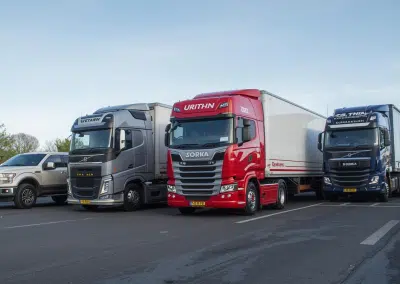


More Truck & Haulage Cover
Truck Cover by Body Type & Use


 Founder (2013)
 13+ Years in the Industry
 FCA Regulated Platform
Content on MyMoneyComparison.com is produced in collaboration with FCA-authorised insurance brokers and financial providers. All pages are reviewed for accuracy and regulatory compliance. MyMoneyComparison.com Ltd is authorised and regulated by the Financial Conduct Authority (FRN: 916241). Last updated: August 2026.

Legal & Regulatory Information:
The MyMoneyComparison.com website is owned and operated by MyMoneyComparison.com Ltd, which does not provide financial advice and does not sell insurance policies. MyMoneyComparison.com Ltd is authorised and regulated by the Financial Conduct Authority (FCA) for insurance mediation and credit broking activity under FCA registration number 916241.
MyMoneyComparison.com Ltd is a data controller under the Data Protection Act 2018, registered on the Data Protection Register under registration number ZA460665.
Registered Office: Jubilee House, 55 Church St, Morley, Leeds LS27 9JQ, United Kingdom.
© 2013-2026 MyMoneyComparison.com Ltd. All rights reserved.